

Last Updated: October 23, 2026
Quick Summary
Preventing sewer line damage starts with a camera inspection before problems appear, so cracks, roots, and sagging are caught while repairs are still cheap. Protect the line year-round by keeping grease, wipes, and roots out, and insulate pipes before the first hard freeze.
- Get a camera inspection before buying a home with mature trees or after a long winter with deep frost.
- Pour cooking grease into a can, flush only toilet paper, and keep trees at least 10 feet from the line.
- Before the first hard freeze, wrap exposed basement pipes and disconnect garden hoses.
- Multiple slow drains at once signal a main line problem, not a local clog.
- Inspect catch basins every spring and fall and pump sediment at half depth.
Table of Contents
- Start With a Sewer Line Inspection Before Problems Start
- Everyday Habits That Prevent Sewer Line Damage
- Sewer Line Damage Prevention in Winter: Freeze Protection Steps
- Signs of a Clogged Sewer Line You Should Never Ignore
- Catch Basin Maintenance for Commercial Properties
- Common Causes of Sewer Line Damage and How to Stop Them
- Frequently Asked Questions
Start With a Sewer Line Inspection Before Problems Start
Preventing sewer line damage in 2026 starts with one habit most homeowners skip: a camera inspection before anything goes wrong. A sewer line inspection is a video check of the pipe running from your home to the main. It shows cracks, roots, and sagging before they turn into a backup.
At Jonnie On The Spot, we have served Saginaw and the surrounding Mid-Michigan area for over 40 years. In that time, we have seen one pattern repeat: the homeowners who inspect early spend far less than the ones who wait for a flood.
A common mistake is waiting for a slow drain to become a full blockage. By then, the pipe is already damaged. Inspections catch the small stuff while it is still cheap to fix.
Here is when an inspection pays off most:
- Before you buy a home with mature trees
- After a long winter with deep frost
- When one drain starts gurgling or draining slow
- Every few years in older homes with clay or cast-iron pipe
The U.S. Environmental Protection Agency’s guide to household wastewater systems notes that most sewer problems start small and stay hidden until they fail. A camera check finds them first.
Everyday Habits That Prevent Sewer Line Damage
What you put down the drain decides how long your sewer line lasts. Most blockages we clear come from a short list of habits that are easy to fix.
The biggest culprits are grease, wipes, and roots. Grease cools and sticks to pipe walls. Wipes labeled “flushable” do not break down like toilet paper. Roots find tiny cracks and grow into them.
Follow these habits to protect your line:
- Pour cooking grease into a can, never the sink
- Flush only toilet paper and human waste
- Keep a hair catcher in every shower drain
- Run cold water for 30 seconds after using the disposal
- Plant trees and shrubs at least 10 feet from the line
- Skip chemical drain cleaners, which can eat older pipes
Once a month, fill a large pot with hot water and pour it slowly down your lowest floor drain. It pushes soft buildup along before it hardens. It takes two minutes and costs nothing.
These habits support sewer line damage prevention year-round, not just in an emergency.
Sewer Line Damage Prevention in Winter: Freeze Protection Steps
Sewer line damage prevention in winter comes down to keeping water moving and pipes warm. Frozen lines are a Mid-Michigan reality, and a burst or blocked line in January is a messy, expensive problem.
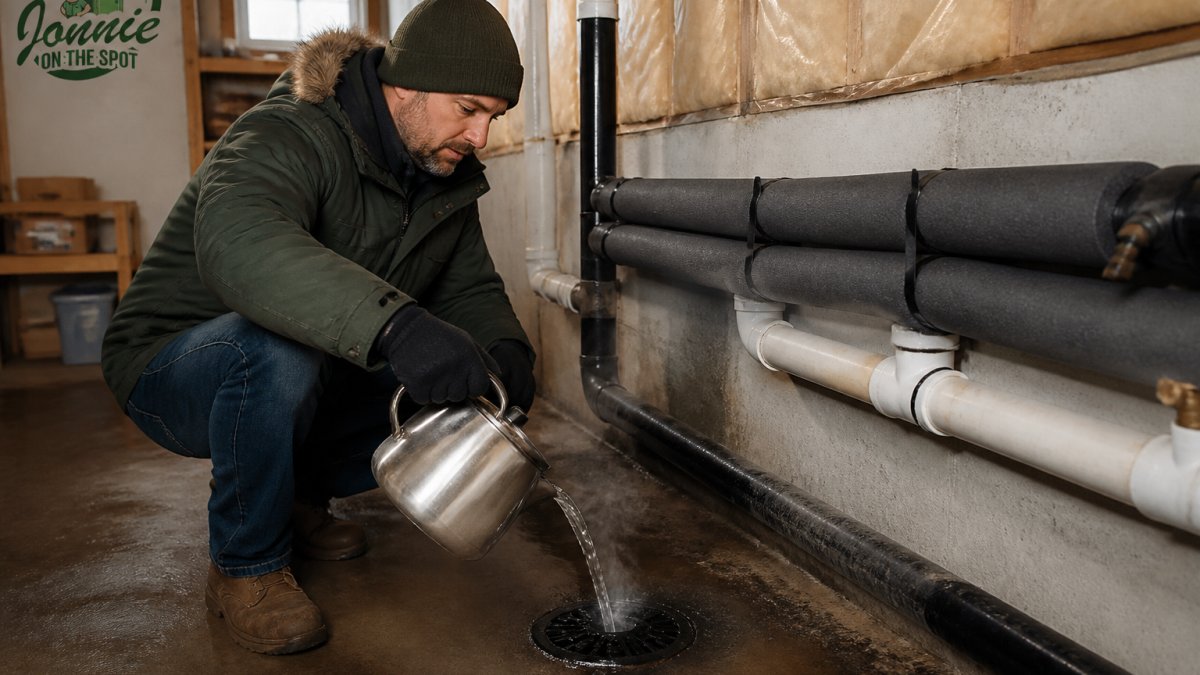
Cold snaps cause two problems. Water in a shallow line freezes solid. And frost heave shifts the soil, which can crack older pipe.
Take these steps before the first hard freeze:
- Wrap exposed pipes in the basement with insulation
- Disconnect garden hoses and shut off outdoor spigots
- Keep the heat on, even when you travel
- Open cabinet doors under sinks on exterior walls
- Drip one faucet during single-digit nights
If you leave for a winter trip, ask a neighbor to run water in the house every few days. Moving water resists freezing far better than still water.
Signs of a Clogged Sewer Line You Should Never Ignore
The signs of a clogged sewer line usually show up in more than one place at once. That is the tell. A single slow sink is a local issue. Multiple slow drains are a main line problem.
Watch for these warning signs:
- Two or more drains draining slowly at the same time
- Gurgling sounds from toilets or floor drains
- Sewage smells in the basement or yard
- Water backing up in the lowest drain when you run the washer
- Soft, soggy patches in the lawn above the line
- A toilet that bubbles when you use another fixture
If sewage backs up into a floor drain, stop using water immediately. Every flush adds to the mess and can push waste into clean areas. Call a professional before you run another fixture.
Catching a clogged line early is the cheapest repair you will ever make. Waiting turns a simple clear into a dug-up yard.
Catch Basin Maintenance for Commercial Properties
Catch basin maintenance for commercial properties protects both the parking lot and the sewer system. A catch basin is the grated box that traps leaves, grit, and debris before water enters the storm line.
When a basin fills up, water backs into the lot and can flood entrances. In Saginaw, fall leaves and spring runoff fill basins fast. Property managers who clean on a schedule avoid emergency calls.
A practical maintenance plan looks like this:
- Inspect every basin in spring and fall
- Clear grates before heavy rain seasons
- Pump out sediment when it reaches half the basin depth
- Keep a map of every basin across your sites
- Log each cleaning so you can spot repeat problem spots
Scheduled catch basin cleaning costs a fraction of flood cleanup and keeps your properties up to code. One vendor for all sites means one schedule, not five.
We handle catch basin cleaning for multi-site managers across the region, so you are not chasing separate crews.
Common Causes of Sewer Line Damage and How to Stop Them
Most sewer line damage traces back to a handful of causes. Knowing them helps you act before the pipe fails.
| Cause | Warning Sign | How to Stop It |
|---|---|---|
| Tree roots | Slow drains, gurgling | Keep trees 10+ feet away |
| Grease buildup | Repeat clogs in kitchen line | Trap grease, never pour it |
| Aging pipe | Cracks, sagging sections | Camera inspection every few years |
| Frost heave | Winter backups | Insulate and keep water moving |
| Heavy roots or construction | Sudden collapse | Hydro excavating for safe digging |
The last row matters for anyone planning a project. Hydro excavating uses pressurized water to expose buried lines without cutting them. That protects your water and gas lines during any dig.
Ask any contractor to expose utilities with hydro excavating before digging. It is non-destructive and far safer than a metal bucket near a gas line.
Aging clay and cast-iron pipes are common in older Saginaw neighborhoods. A camera inspection tells you their condition before a small crack becomes a collapsed line.
Sewer problems rarely announce themselves. They build quietly until a backup forces your hand. The homeowners and property managers who stay ahead of them inspect early, watch their drains, and clean their catch basins on schedule.
That is where we come in. Jonnie On The Spot offers sewer line inspections, septic service, hydro excavating, and catch basin cleaning across Saginaw and Mid-Michigan. Our licensed and insured crew shows up on time with one team for all your site needs. We are family-owned, with over 40 years of keeping systems flowing and properties up to code.
Get a quote from Jonnie On The Spot and keep your system running trouble-free.
Frequently Asked Questions
How often should sewer lines be inspected?
A camera inspection every one to two years is a practical baseline for most homes, and every year for properties with mature trees or a history of backups. Older clay or cast-iron lines benefit from annual checks because cracks and root intrusions worsen quietly. If you notice slow drains or gurgling, schedule a sewer line inspection right away rather than waiting for the next cycle. Preventive inspections cost far less than emergency excavation and restore your peace of mind.
Can tree roots damage a sewer line?
Yes. Roots seek moisture and enter through hairline cracks, joints, and loose fittings, then expand until the pipe blocks or collapses. Maples, willows, and poplars are the worst offenders. Plant new trees at least 10 feet from the lateral and keep existing root zones in check. A camera inspection catches early root intrusion before it becomes a full blockage, and hydro excavation can expose lines safely for repair without damaging nearby utilities.
What should I do if sewage backs up into my property?
Stop using water immediately, keep people and pets away from the area, and call a licensed professional for emergency service. Do not attempt to snake the line yourself if you suspect a collapsed pipe or root mass, because you can cause further damage. Document the backup with photos for insurance, then arrange pumping and a camera inspection. In Saginaw and across Mid-Michigan, Jonnie On The Spot handles emergency septic and sewer calls with a licensed, insured crew.
Who is responsible for sewer line maintenance in Saginaw, MI?
In most Michigan municipalities, the homeowner owns and maintains the lateral line from the house to the public main, while the city maintains the main itself. That means root control, repairs, and preventing sewer line damage on your property are your responsibility. Commercial property managers are likewise responsible for private catch basins and site drainage. Confirm your local ordinance, then set up a maintenance schedule with a licensed provider to stay ahead of costly failures.
