

Table of Contents
- What Is Hydro Excavation Used For? The Short Answer
- Hydro Excavation Benefits: Why Contractors Choose Non-Destructive Digging
- Hydro Excavation vs Mechanical Excavation: When Each One Wins
- Hydro Excavation Utility Locating and Daylighting in Practice
- Step-by-Step Site Preparation for a Hydro Excavation Job
- Compliance, Cold Weather, and Equipment Care: What Competitors Skip
- Conclusion
- Frequently Asked Questions
Last Updated: September 27, 2026
What Is Hydro Excavation Used For? The Short Answer
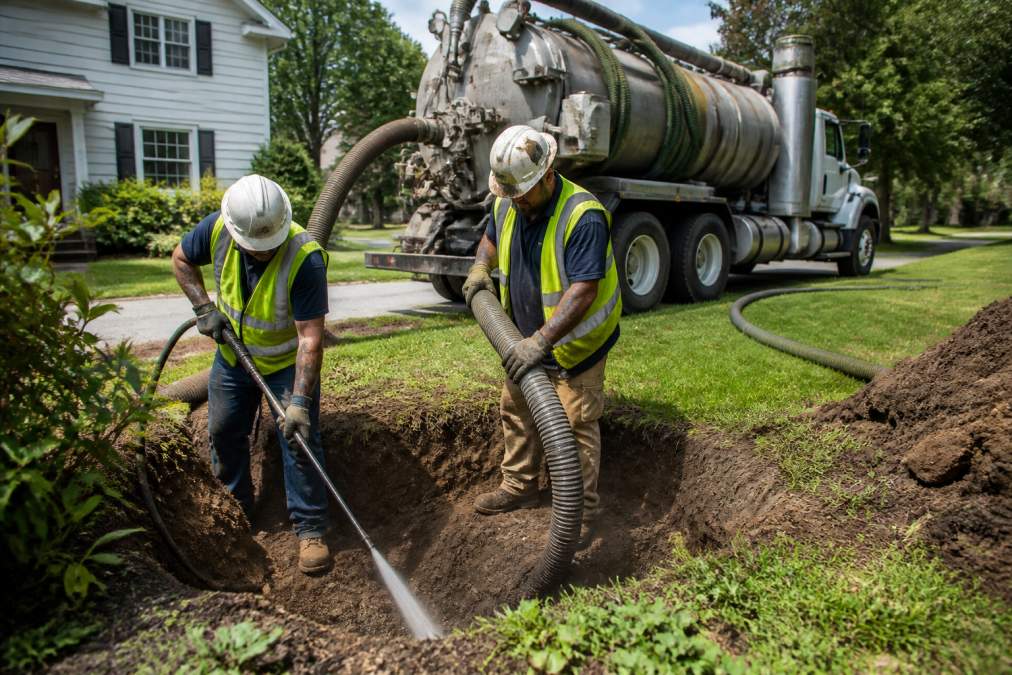
Hydro excavation is used to expose underground utilities, dig trenches, and remove soil without damaging pipes or cables. The method combines pressurized water and vacuum suction to break up ground and lift it away. At Jonnie On The Spot, we use this non-destructive digging approach to keep utility work safe and precise.
Here’s the core idea: water does the cutting, air does the lifting. Nothing metal touches the utility line.
Common uses include:
- Daylighting gas, water, and electric lines before digging
- Potholing to confirm utility depth and position
- Trenching for new conduit placement
- Exposing fiber and telecom cables
- Clearing compacted soil around valves and meters
- Slot trenching across paved surfaces
The Occupational Safety and Health Administration excavation guidance treats utility strikes as a serious hazard, which is why safe digging practices matter on every job.
How Pressurized Water and Vacuum Suction Work Together
A high-pressure water jet cuts through soil at the nozzle. The water turns dirt into a slurry, a thick mix of soil and water.
Then vacuum suction pulls that slurry into a debris tank on the truck. The tank holds the material until it can be dumped at an approved site.
This two-part system is why the process works on delicate jobs. Water pressure is adjustable. Operators dial it down near a gas line and up through hard clay.
The vacuum does the heavy lifting, so crews never swing a bucket into an unknown line.
Hydro Excavation Benefits: Why Contractors Choose Non-Destructive Digging
The biggest hydro excavation benefit is safety. Water and air cannot spark, cut, or crush a utility line the way a metal bucket can.
Other advantages:
- Less risk of utility strikes and costly repairs
- Cleaner holes with less site disturbance
- Precise digging at exact depths
- Works around existing pipes and cables
- Reduces hand-digging time
- Handles compacted soil and frozen ground
Many contractors find that insurance and liability costs drop when utility strikes become rare. That matters on busy commercial sites.
Where Hydro Excavation Costs More Up Front
Hydro excavation usually costs more per cubic yard than a backhoe. The equipment is specialized, and the crew needs training.
But the math changes when you factor in a struck line. A single gas or fiber strike can shut down a project for days. Repair bills, fines, and delays often dwarf the extra digging cost.
So the real question isn’t price per hole. It’s total project risk.
Hydro Excavation vs Mechanical Excavation: When Each One Wins
Hydro excavation vs mechanical excavation comes down to what’s underground. If you know the area is clear, a mechanical excavator is faster and cheaper.
If utilities are present or unknown, hydro excavation wins.
| Factor | Hydro Excavation | Mechanical Excavation |
|---|---|---|
| Utility strike risk | Very low | High |
| Speed on open ground | Slower | Fast |
| Precision | High | Moderate |
| Cost per yard | Higher | Lower |
| Best for | Utility exposure, potholing | Bulk digging, clear sites |
| Soil handling | Slurry, tanked | Piled on site |
A practical rule: use mechanical digging where there’s nothing to hit, and hydro excavation where you can’t be sure.
On mixed sites, crews often hydro excavate the first 1-1.5 meters (3-5 feet) to confirm utility positions, then switch to mechanical digging once the path is clear. This cuts cost without adding risk.
Hydro Excavation Utility Locating and Daylighting in Practice
Hydro excavation utility locating starts with a call to 811, the national dig-safe line operated under the Common Ground Alliance’s damage-prevention framework. Locators then mark the approximate horizontal path of buried lines using the standard APWA color code: red for electric, yellow for gas, orange for communications, blue for potable water, green for sewer, and purple for reclaimed water. Those marks are only approximate, they carry a tolerance zone (commonly 18 to 24 inches on either side of the mark, though the exact width is set by each state’s one-call statute). Daylighting, also called potholing, confirms the exact spot inside that zone.
Here’s how a daylighting pass works:
- Review locate marks, site plans, and any prior SUE records
- Set up the hydrovac truck within hose reach and confirm the debris tank has capacity
- Use the water wand at reduced pressure to remove soil in thin lifts
- Expose the utility, then measure depth, diameter, material, and alignment
- Photograph and document the find with a scale and GPS reference
- Backfill, cap, or leave open per the project plan and the utility owner’s requirements
Why the tolerance zone matters: many state one-call laws require hand-digging or vacuum excavation, not mechanical digging, within the tolerance zone around a marked facility. That is the legal reason hydro excavation is the default tool for potholing, not just a safety preference. A backhoe bucket inside the tolerance zone is a compliance problem even if nothing gets hit.
The data from daylighting feeds directly into subsurface utility engineering (SUE). Quality Level B (QL-B) designating relies on surface geophysics, while Quality Level A (QL-A) requires actual exposure and measurement of the utility, which is exactly what a hydrovac crew produces. Engineers use QL-A records to set horizontal and vertical clearances, choose boring paths, and reduce change orders during construction.
On corridor projects, daylight every crossing and every utility running parallel within the excavation prism, not just the ones the locator marked. Unmarked service laterals and abandoned lines are the most common cause of a “we already located it” strike.
Step-by-Step Site Preparation for a Hydro Excavation Job
Good prep prevents most problems. A common mistake is skipping the locate call or rushing the setup.
Follow these steps:
- Call 811 and wait for locate marks
- Walk the site and flag all marks
- Check for overhead lines and traffic hazards
- Position the truck for hose and tank access
- Confirm a dump site for the slurry
- Set up containment for spoils
- Brief the crew on utility positions
- Test water pressure before digging
Plan for the slurry. A full debris tank is heavy, and the material has to go somewhere legal. Waste management rules vary by location, so line up the dump site before you start.
Setup typically takes 30-60 minutes on a simple residential job. Larger commercial sites take longer.
Compliance, Cold Weather, and Equipment Care: What Competitors Skip
Compliance starts before the first dig. Most states require an 811 call before any ground disturbance. Skipping it can mean fines and liability.
Cold weather adds its own problems. Water lines freeze, slurry thickens, and hoses stiffen. Crews in cold markets run heated water or drain lines between jobs.
Equipment care keeps the truck running:
- Flush the water system after each job
- Inspect hoses for cracks and wear
- Check vacuum filters and tank seals
- Lubricate moving parts on schedule
- Store the wand and nozzle clean
Most guides skip these details. In practice, they’re what separate a smooth job from a breakdown.
Never skip the 811 call, even on a small job. Hitting a gas or electric line can cause injury, outages, and serious fines. The locate call is free and takes a few days.
Conclusion
Hydro excavation solves a specific problem: digging safely around utilities you can’t see. It costs more up front, but it protects lines, crews, and schedules.
Jonnie On The Spot handles hydro excavating, septic, catch basin, and portable restroom needs across Mid-Michigan. Our licensed and insured crew brings over 40 years of experience to every site, with fast, clean service and one team for all your essential site work.
Get a quote from Jonnie On The Spot and keep your project safe, on schedule, and up to code.
Frequently Asked Questions
How deep can hydro excavation go?
Hydro excavation depth depends on the equipment and soil conditions, but most hydrovac trucks reach depths of 6 to 10 feet for utility potholing. Deeper work may require larger vacuum trucks or multiple passes. The pressurized water breaks up compacted soil, and the vacuum suction lifts the slurry into a debris tank. For most residential and commercial utility locating, depths of 3 to 6 feet are common. Always confirm your project depth with the hydro excavation contractor before scheduling.
Is hydro excavation safer than traditional mechanical digging?
Yes. Hydro excavation uses pressurized water and vacuum suction instead of metal buckets, so there is far less risk of striking a gas, water, or fiber line. According to the Common Ground Alliance, excavation damage remains a leading cause of utility strikes, and non-destructive digging greatly reduces that risk. Hydro excavation also creates less ground disturbance and reduces the chance of injuries from flying debris. For any project near underground utilities, it is the safer choice.
What types of soil are best suited for hydro excavation?
Hydro excavation works best in loose, sandy, or clay-based soils where pressurized water can break up material and the vacuum can lift the slurry. Rocky or heavily compacted soil may slow the process or require pre-treatment. In winter, frozen ground can also make hydro excavation slower, though heated water and specialized nozzles help. For most utility locating, potholing, and trenching in Mid-Michigan, hydro excavation handles typical soil conditions well.
Is hydrovac the same as hydro excavation?
Hydrovac is the common industry term for the truck and equipment used in hydro excavation. The process itself is also called vacuum excavation or non-destructive digging. So when someone says ‘hydrovac,’ they usually mean the same service. The key difference is that hydro excavation describes the method, while hydrovac describes the machine. Both rely on pressurized water and vacuum suction to remove soil safely. For your project, the terms are interchangeable when requesting a quote.